Do you want to know Ceylon Cloves vs Madagascar Cloves: Which Clove Is Better for Flavor, Quality & Health?
Cloves are one of the strongest spices in the world. A small dried bud can completely transform a dish, add depth to desserts, enhance beverages, and even support traditional wellness practices.
But not all cloves are the same. This guide helps you understand what makes cloves varieties differ. If you are interested in Ceylon cloves and Madagascar cloves, keep reading.
What Are Ceylon Cloves?
Ceylon cloves are cloves grown in Sri Lanka which is one of the world’s most famous spice regions. Sri Lanka has been part of the global spice trade for centuries. The island’s tropical climate, rich soil, and monsoon patterns create ideal conditions for cultivating premium spices such as cinnamon, pepper, nutmeg, and cloves.
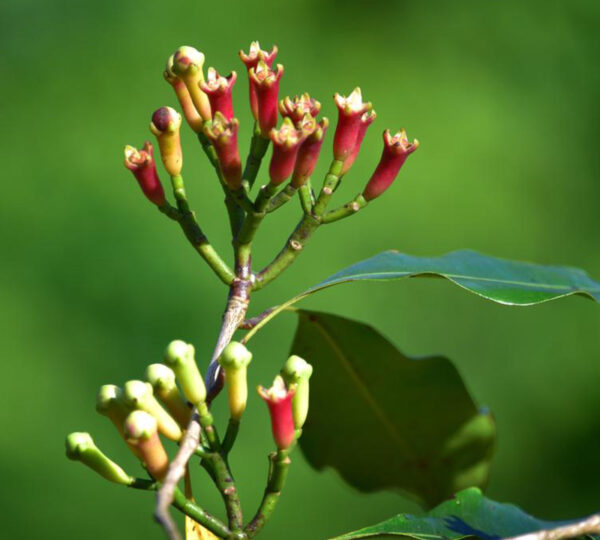
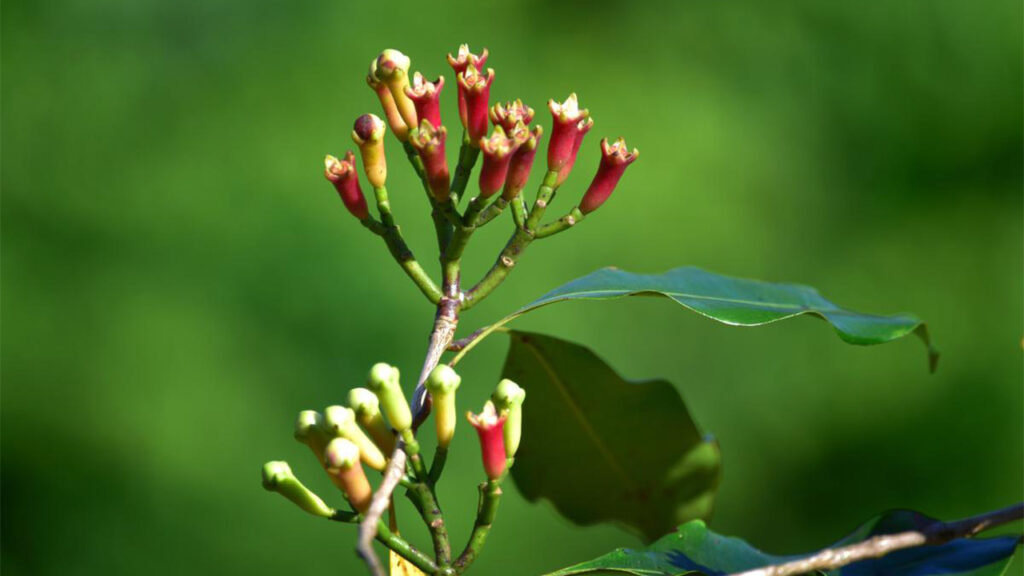
Ceylon cloves are harvested from the flower buds of the Syzygium aromaticum tree before they bloom. The buds are then carefully dried until they form the familiar nail-shaped spice used around the world.
What makes Ceylon cloves special is their high essential oil content, which produces:
- A strong yet refined aroma
- Deep warm flavor
- Rich medicinal properties
What Are Madagascar Cloves?
Madagascar is another major clove-producing region, particularly along this African island’s eastern coast where the climate supports spice cultivation.
Cloves from Madagascar also come from the Syzygium aromaticum tree and are harvested in a similar way to those grown in Sri Lanka.
Madagascar cloves are widely exported and commonly used in:
- Commercial spice blends
- Bulk food production
- Mass-market spice products
Madagascar cloves often contain slightly lower oil levels compared with premium Sri Lankan cloves. This difference affects aroma intensity, flavor depth, and sometimes shelf life. That said, Madagascar cloves still offer the classic warm, slightly sweet, and spicy clove flavor used in cuisines around the world.
Suggested Read: Ceylon Cinnamon vs Cassia Cinnamon
Ceylon Cloves vs Madagascar Cloves: Key Differences
Although both types come from the same plant species, several factors differentiate them.
1. Origin
Ceylon cloves come from Sri Lanka, a historic spice island known for producing some of the world’s most prized spices.
Madagascar cloves are cultivated on the large African island of Madagascar, one of the largest global exporters of cloves.
2. Oil Content
One of the most important quality indicators for cloves is essential oil content, particularly eugenol, the compound responsible for clove aroma and medicinal benefits.
Ceylon cloves generally contain higher oil concentrations, making them more aromatic and potent.
3. Flavor Profile
Ceylon cloves deliver:
- Complex aroma
- Balanced sweetness
- Strong yet smooth spice notes
Madagascar cloves often have:
- Sharper spice notes
- Slightly more bitter undertone
- Less layered aroma
4. Appearance
Premium cloves from Sri Lanka tend to have:
- A dark brown color
- Plump heads
- High oil sheen
Madagascar cloves may appear:
- Slightly lighter
- Thinner
- Less glossy
5. Price and Availability
Madagascar cloves are often more affordable and widely available in global spice markets.
Ceylon cloves are typically considered a premium spice, often priced higher due to quality, smaller production volumes, and careful harvesting.
Related Products: Ceylon Cinnamon Sticks Wholesale
Why Ceylon Cloves Are Special
Ceylon cloves (grown in Sri Lanka) are considered superior in quality because they contain higher levels of essential oil and eugenol compared to many other origins like Indonesia or Madagascar.
Sri Lanka Business +1
Typical cloves: ~65–70% eugenol
Ceylon cloves: up to ~80–85% eugenol
That’s roughly 15–20% more active compounds, meaning stronger medicinal and aromatic effects.
This higher eugenol concentration is due to Sri Lanka’s unique climate, soil, and traditional cultivation methods.
Benefits of Eugenol (Enhanced in Ceylon Cloves)
Because Ceylon cloves contain more eugenol, these benefits are often more potent:
1. Strong natural pain relief
Widely used in dental care to numb tooth and gum pain.
2. Powerful antimicrobial action
Helps kill bacteria and fungi—excellent for oral health and immunity.
3. Anti-inflammatory effects
Reduces swelling and may help with joint or muscle discomfort.
4. High antioxidant activity
Fights oxidative stress and supports overall health and aging.
5. Digestive support
Improves digestion and reduces bloating and gas.
6. Liver and metabolic support
May help protect the liver and support blood sugar balance.
It is generally advised to consume 2–3 whole cloves per day to enjoy the benefits safely. Excess intake, especially in concentrated forms like clove oil, should be avoided.
Suggested Read: Ceylon Cinnamon Powder in Bulk
Flavor Comparison: Ceylon Cloves vs Madagascar Cloves
a. Ceylon Cloves
Flavor profile:
- Warm and aromatic
- Slightly sweet
- Smooth spice notes
- Lingering fragrance
Ceylon cloves tend to enhance dishes without overpowering them, which is why they are often preferred in gourmet cooking.
b. Madagascar Cloves
Flavor profile:
- Strong and spicy
- Slightly sharper
- Sometimes mildly bitter
They still deliver the recognizable clove flavor but may lack the depth and balance found in premium Sri Lankan cloves.
In Cooking
Ceylon cloves are often used when the clove flavor needs to blend elegantly with other spices, such as in spice blends, curries, and baked goods.
Madagascar cloves are commonly used in bulk spice mixes or processed foods where cost and availability are more important than subtle flavor complexity.
How to Identify High Quality Ceylon Cloves
Not all cloves labeled as “premium” are truly high quality. Because cloves are widely traded globally, batches from different origins are sometimes mixed together. If you want to buy authentic Sri Lankan cloves, knowing how to identify quality makes a big difference.
1. Look at the Color Carefully
High quality Ceylon cloves mostly have a deep reddish-brown to dark brown color. This shade indicates that the buds were harvested at the correct stage and dried properly.
Fresh cloves should also have a slight natural sheen, which comes from their essential oils. If the cloves look extremely dull or brittle, they may have lost much of their aroma.
2. Check the Clove Shape and Size
Premium cloves are usually plump and well formed. A good clove has two main parts:
- A sturdy stem
- A rounded bud head on top
When examining cloves, look for:
- Thick stems
- Large rounded heads
- Uniform size across the batch
Lower grade cloves often contain:
- Broken pieces
- Detached heads
- Very thin stems
3. Perform the Oil Test
One traditional method used by spice traders is the clove oil test.
Place a few cloves in a bowl of water.
High quality cloves with strong oil content often:
- Float vertically with the bud facing upward
- Or sink slowly due to the weight of their oils
Poor quality cloves usually float horizontally or remain flat on the water surface, indicating lower oil levels.
4. Evaluate the Aroma
The aroma of cloves is one of the easiest ways to judge quality.
Take a clove and gently crush it between your fingers. High quality Ceylon cloves immediately release a strong, warm, and a slightly sweet fragrance.
The aroma should feel:
- Rich
- Spicy
- Slightly sweet
- Very noticeable even from a small amount
If the smell is faint, dusty, or woody, the cloves may be old or of lower grade.
5. Check the Oil When Crushed
Another sign of premium cloves is the oil released when crushed.
When you press a clove with your fingernail or grind it lightly, you should notice:
- A strong fragrance
- Slight oiliness on the surface
This oil contains eugenol, the compound responsible for clove’s flavor and many of its traditional health uses.
6. Taste the Clove
Although cloves are very strong, tasting a small piece can reveal their quality.
High quality Ceylon cloves typically taste:
- Warm and aromatic
- Slightly sweet
- Deeply spicy but balanced
Lower quality cloves may taste:
- Very sharp
- Bitter
- Flat or dull
7. Buy from a Reliable Source
Even if you know how to identify good cloves visually, sourcing still matters.
Trusted spice suppliers maintain quality by ensuring:
- Proper harvesting
- Careful drying
- Fresh packaging
- Traceable origin
Brands such as Emerald Valley Estate focus on sourcing cloves directly from Sri Lanka’s spice-growing regions, helping preserve the natural aroma, oil content, and flavor that make Ceylon cloves special.
Buying from reliable sources helps ensure that the cloves you receive are authentic, fresh, and truly premium rather than mixed with lower-grade varieties.
Where to Buy Authentic Ceylon Cloves with Emerald Valley Estate
If you are looking for authentic Sri Lankan cloves, sourcing matters. Premium cloves should come from reliable producers who prioritize quality, freshness, and traceable sourcing.
Emerald Valley Estate is the best cinnamon suppliers in Sri Lanka to go for spices grown and sourced from Sri Lanka’s renowned spice regions.
Their cloves are carefully harvested and processed to maintain:
- Natural essential oils
- Rich aroma
- Authentic Sri Lankan quality
Buying directly from trusted spice estates helps ensure you receive pure, high-grade cloves without fillers or blending with lower quality varieties.
Conclusion
Ceylon Cloves vs Madagascar Cloves: Which Clove Is Better for Flavor, Quality & Health? You may now have all the clarity on this. You can consider this article while buying any of these cloves. Emerald Valley Estate sells the most authentic Ceylon Cloves.
FAQs
Ceylon cloves from Sri Lanka usually have higher essential oil levels and richer aroma. Madagascar cloves are often more widely available and slightly less aromatic.
Yes. Ceylon cloves generally contain higher concentrations of natural oils like eugenol, making them more aromatic and flavorful.
Sri Lankan cloves are famous because of the country’s ideal growing climate, traditional harvesting practices, and high oil content.

The editorial staff at Emerald Valley Estate are experts in Ceylon spices.