

Looking for Ceylon cinnamon vs Cassia cinnamon guide?
Cinnamon has been cherished for thousands of years, valued not only as a spice but also as a natural medicine, a preservative, and even a form of currency in ancient times. Today, it remains one of the most popular spices worldwide—adding warmth and flavor to baked goods, teas, savory dishes, and even health supplements.
But did you know there are two main types of cinnamon, each with distinct characteristics and benefits? The two most common varieties are Ceylon cinnamon (often called “true cinnamon”) and Cassia cinnamon. While they may look and taste somewhat similar, they differ greatly in their origin, aroma, taste, composition, health benefits, and culinary uses.
This article will serve as your guide to understanding the key differences between Ceylon cinnamon and Cassia cinnamon, their unique benefits, and how to choose the right type for your lifestyle. By the end, you’ll discover why authentic Ceylon cinnamon is regarded as the gold standard worldwide.
What is Ceylon Cinnamon?
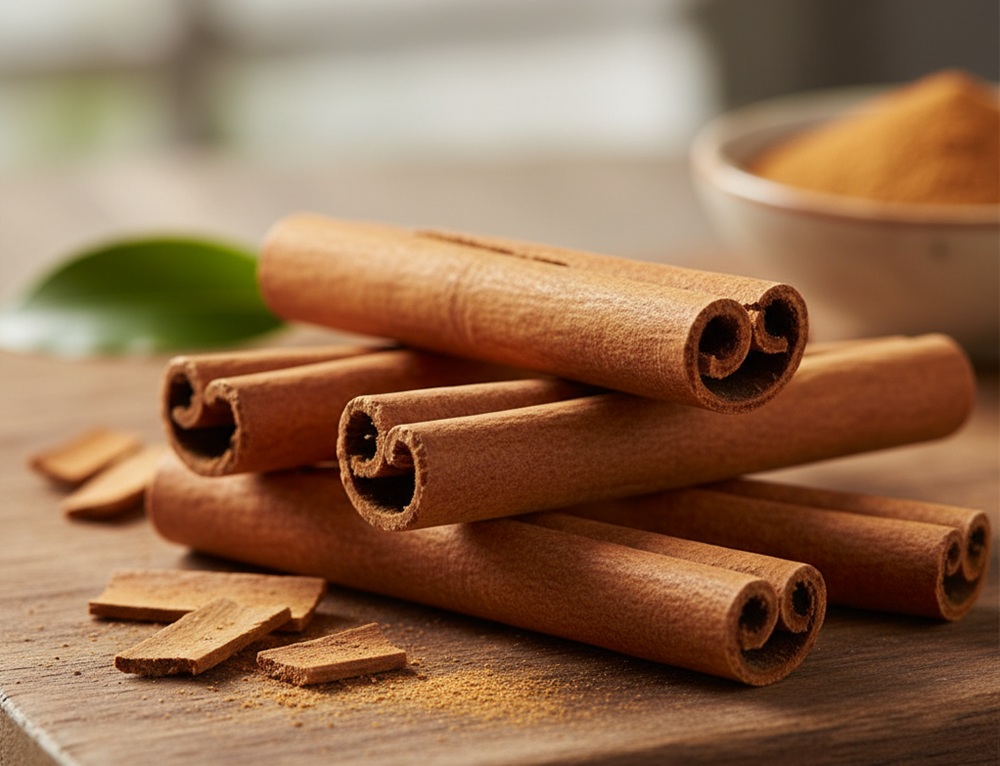
Ceylon cinnamon (Cinnamomum verum), often called “true cinnamon,” is primarily cultivated in Sri Lanka, the world’s leading producer of this prized spice. In 2022, it earned the Protected Geographical Indication (PGI) status, which certifies that authentic Ceylon cinnamon comes exclusively from Sri Lanka.
The island’s tropical climate and fertile soil provide the perfect conditions for cultivating this aromatic spice. Unlike Cassia, Ceylon cinnamon is lighter in color—usually a soft tan-brown—and has a delicate, sweet flavor profile that makes it highly sought after for both culinary and health purposes.
Ceylon cinnamon is crafted by carefully peeling and drying the thin inner bark of the cinnamon tree. Skilled harvesters strip the bark into delicate layers, which naturally curl into soft, papery quills. These quills are then rolled together in multiple layers, giving Ceylon cinnamon sticks their distinctive cigar-like appearance.
Throughout history, this spice was so highly prized that it was often considered more valuable than gold. The Ancient Egyptians used it in embalming rituals, the Romans treasured it as a luxury, and European traders fought fiercely to control Sri Lanka’s cinnamon trade for centuries.
Even today, Ceylon cinnamon is celebrated as the “Queen of Cinnamon”—renowned worldwide for its refined flavor and exceptional health benefits.
One of the most significant qualities of Ceylon cinnamon is its extremely low coumarin content. Coumarin is a naturally occurring compound present in all types of cinnamon, but in Cassia cinnamon the levels are much higher. Excessive intake of coumarin has been linked to potential liver and kidney damage.
In contrast, Ceylon cinnamon contains only negligible amounts of coumarin, making it safe for regular consumption. This is one of the key reasons it is often referred to as the healthier and more premium variety of cinnamon.
What is Cassia Cinnamon?
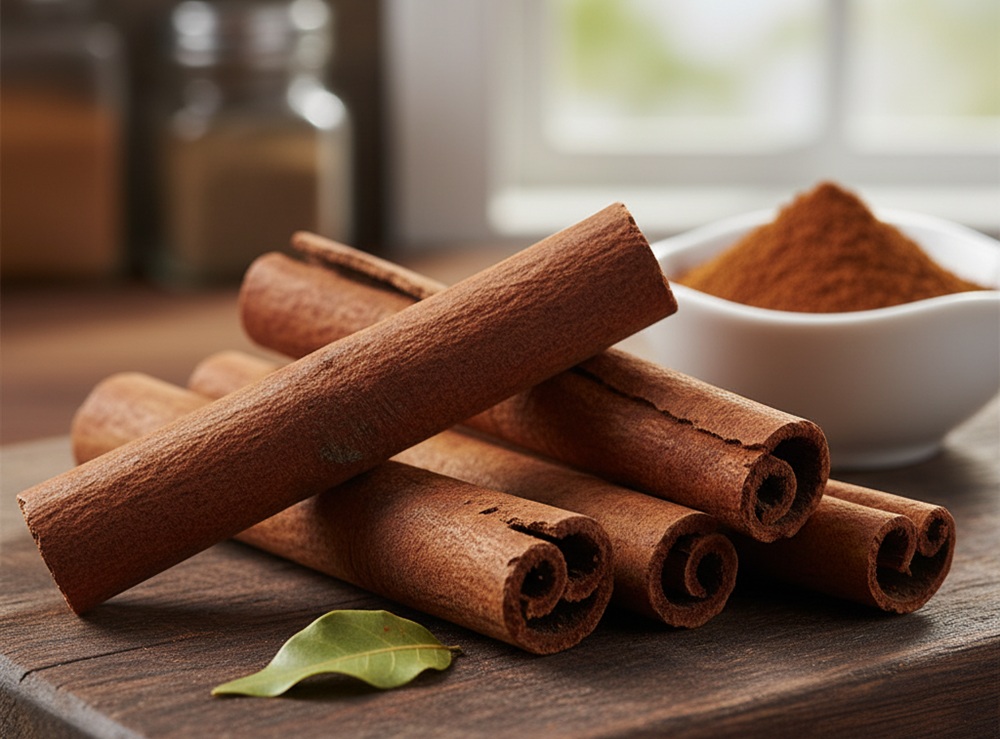
Cassia cinnamon, sometimes referred to as “fake cinnamon,” comes from several related species, including Cinnamomum cassia, Cinnamomum burmannii (Indonesian Cassia), and Cinnamomum aromaticum. It is primarily cultivated in China, Indonesia, and Vietnam, and today it makes up the majority of cinnamon sold worldwide.
Unlike the delicate, papery layers of Ceylon cinnamon, Cassia sticks are thick, hard, and hollow, formed from a single layer of bark curling inward. Their color ranges from dark reddish-brown to mahogany, and their flavor is bold, spicy, and pungent—qualities that make Cassia popular in strong savory dishes, baked goods, and many processed foods.
The main drawback of Cassia is its high coumarin content. Regular or excessive consumption can pose health risks, especially for those with liver concerns. Still, because it is inexpensive and widely available, Cassia remains the default cinnamon variety in many parts of the world.
Key Differences Between Ceylon cinnamon and Cassia
Although they are often mistaken for one another, Ceylon cinnamon and Cassia differ in several important ways:
Origin & Botanical Source
Ceylon Cinnamon (Cinnamomum verum / Cinnamomum zeylanicum):
Native to Sri Lanka, Ceylon cinnamon carries a Protected Geographical Indication (PGI) status. Its cultivation is closely tied to the island’s tropical climate, heritage, and centuries-old traditions. Because it is produced in limited geographic areas, it is rarer and considered the “true cinnamon.”
Cassia (Cinnamomum cassia, C. burmannii, C. aromaticum):
Cassia varieties are widely cultivated in China, Indonesia, and Vietnam. These species thrive across broad regions of Asia, making Cassia more common, affordable, and widely available in global markets.
In essence, while Ceylon cinnamon represents exclusivity, authenticity, and Sri Lankan tradition, Cassia is the mass-produced type of cinnamon that dominates most of the world’s spice trade.
Taste & Aroma
Ceylon Cinnamon:
Mild, naturally sweet, and delicately spicy, with soft floral undertones. Its refined flavor makes it ideal for desserts, teas, fruits, and other delicate recipes where a subtle touch is preferred. The aroma is light, smooth, and often described as elegant.
Cassia Cinnamon:
Strong, bold, and spicy with a hint of bitterness. Its pungent character makes it more suitable for robust dishes such as baked goods, or savory recipes. The higher coumarin content not only adds intensity to its flavor but also raises health concerns when consumed in large quantities & consume in regular basis.
In short, Ceylon cinnamon offers sophistication and balance, improve health while Cassia delivers strength and intensity.
Appearance (Sticks & Powder)
Ceylon Cinnamon Sticks:
Thin, fragile, and layered, resembling a finely rolled cigar. The quills are papery and delicate, easily snapped by hand.
Cassia Sticks:
Thick, hard, and hollow with a single layer of bark curling inward. These sticks are dense and very difficult to break or grind.
Powder:
Ceylon cinnamon powder is lighter in shade, ranging from tan to golden brown, reflecting its mild flavor. Cassia powder is darker, more reddish-brown to deep mahogany, mirroring its strong and spicy taste.
Visually, Ceylon quills are elegant and refined, while Cassia sticks appear heavy and robust — a quick way to tell them apart.
Health Benefits of Ceylon Cinnamon
Ceylon cinnamon is prized not only for its delicate flavor but also for its wide range of health benefits. Compared to Cassia, it is safer for regular use due to its very low coumarin content.
Blood Sugar Control
Research suggests that Ceylon cinnamon may help lower blood sugar levels by improving insulin sensitivity. This makes it particularly valuable for people managing type 2 diabetes.
Rich in Antioxidants
Packed with powerful antioxidants such as polyphenols, Ceylon cinnamon helps combat oxidative stress and may reduce the risk of chronic diseases linked to cell damage.
Supports Heart Health
Regular consumption can help lower LDL (“bad”) cholesterol and triglycerides, while raising HDL (“good”) cholesterol — contributing to improved cardiovascular health.
Anti-Inflammatory Properties
Ceylon cinnamon’s natural compounds reduce inflammation, which can benefit conditions such as arthritis, joint pain, and other inflammatory issues. Its mildness and low coumarin levels make it safe for long-term use.
Brain Protection
Preliminary studies show that Ceylon cinnamon may protect neurons, support memory, and reduce the risk of neurodegenerative diseases such as Alzheimer’s and Parkinson’s. Its ability to reduce both oxidative stress and inflammation plays a key role in these protective effects.
Digestive Aid
Traditionally, Ceylon cinnamon has been used to ease indigestion, bloating, and nausea. Its gentle warming effect stimulates digestion and supports overall gut health.
Antimicrobial Benefits
Ceylon cinnamon has natural antimicrobial properties that help fight infections and inhibit bacterial growth in foods. Historically, it has been used for this purpose, and even today, many Ayurvedic drinks include cinnamon to strengthen immunity and support overall health.
Weight Management Support
By helping regulate blood sugar levels and reduce cravings, cinnamon can aid in healthy weight management. It is especially beneficial for managing type 2 diabetes. However, for regular consumption, Ceylon cinnamon is the safer choice, as cassia varieties of cinnamon may increase body heat and cause inflammation.
How to Identify Real Ceylon Cinnamon
Since Cassia is often sold as “cinnamon,” it’s important to know how to tell the difference and identify genuine Ceylon cinnamon:
1. Stick Appearance
Ceylon: Sticks (quills) are made of multiple thin, delicate layers rolled together, giving them a soft, papery texture.
Cassia: Sticks are thick, hard, and hollow inside, usually formed from a single layer of bark.
2. Color
Ceylon cinnamon: Light tan to golden brown.
Cassia: Dark reddish-brown.
3. Texture
Ceylon cinnamon: Brittle, crumbly, and easy to break.
Cassia: Dense, hard, and woody.
4. Taste
Ceylon cinnamon: Mild, sweet, and delicate in flavor.
Cassia: Strong, hot, and spicy.
5. Price
Ceylon cinnamon: More expensive due to its labor-intensive harvesting and limited availability.
Cassia: Much cheaper and widely available.
Buying Ground Cinnamon
When purchasing ground cinnamon, distinguishing between Ceylon and Cassia becomes much harder. To avoid confusion, it’s best to buy only from trusted suppliers who specialize in authentic cinnamon. Choosing reliable sources ensures you get the true health benefits of Ceylon cinnamon and avoid artificial or mislabeled products.
Emerald Valley Estate is a trusted name in spices, especially renowned for supplying genuine Ceylon cinnamon.
Culinary Uses: When to Choose Ceylon Cinnamon
Desserts: The mild, sweet aroma of Ceylon cinnamon enhances the flavor of apple pies, custards, cakes, and puddings.
Beverages: Perfect for teas, hot chocolate, lattes, and smoothies.
Fruit-Based Dishes: Its subtle flavor works wonderfully in sauces, jams, and compotes.
Savory Cuisine: Complements Middle Eastern and Mediterranean dishes with a gentle, refined taste.
For daily use and health benefits, Ceylon cinnamon is the better choice. It allows you to enjoy flavor and aroma without compromising your health.
Conclusion
Understanding the key differences between Ceylon cinnamon and Cassia cinnamon is essential to making the right choice. The decision often comes down to what matters most: flavor, cost, or health.
Cassia is strong, inexpensive, and widely available—but its high coumarin content makes it less healthy for regular consumption.
Ceylon cinnamon, on the other hand, offers a delicate flavor and significantly greater health benefits, thanks to its negligible amount of coumarin levels.
If you plan to incorporate cinnamon into your daily diet for wellness, Ceylon cinnamon is unquestionably the superior choice. By learning how to identify authentic Ceylon cinnamon and purchasing from trusted sources, you can safely enjoy its natural sweetness, aroma, and health-promoting properties.
Emerald Valley Estate is one such trusted producer of genuine Sri Lankan Ceylon cinnamon. What sets them apart is their commitment to authenticity and quality:
They grow and harvest their own cinnamon.
Each stick is carefully hand-peeled to preserve purity.
They use natural, eco-friendly packaging instead of artificial alternatives.
They work closely with small-scale farmers, supporting livelihoods while ensuring you receive the true essence of Ceylon cinnamon.
Whether you’re looking for a small quantity or bulk orders, Emerald Valley Estate the best cinnamon suppliers in Sri Lanka provides premium-quality Ceylon cinnamon directly from the source. Visit their website to request a quote for Ceylon cinnamon sticks in bulk and experience the difference of authentic Ceylon cinnamon.
FAQs
Ceylon cinnamon is better for health due to its low coumarin levels. Cassia is cheaper and stronger in flavor but should be consumed with caution.
It is grown primarily in Sri Lanka, requires skilled manual harvesting, and has a limited global supply. These factors make it rarer and costlier than Cassia.
Look for thin, layered quills, light tan color, and a delicate, sweet aroma. To be certain, buy from reputable suppliers like Emerald Valley Estate.

The editorial staff at Emerald Valley Estate are experts in Ceylon spices.